
Practical training tactics that reduce drift, increase engagement, and support “train to retain”
If the contamination we’re worried about in the cleanroom can’t be seen, it can be hard for operators to connect technique to outcome. And when training becomes repetitive—especially annual refreshers—it’s easy for learning to drift and attention to fade.
This is where adult learning theory becomes practical. Adult Learning Theory emphasizes that adults need to know the relevance of training, apply it to real-world problems, and use their life experiences to enhance learning. Two approaches—behaviorism and cognitivism—offer training teams clear ways to create awareness, improve execution, and support retention.
Behaviorism: build mastery with repetition and feedback
Behaviorism is learning through conditioning based on stimuli or experience. It often includes repetition to build mastery and feedback such as recognition, rewards, or correction.
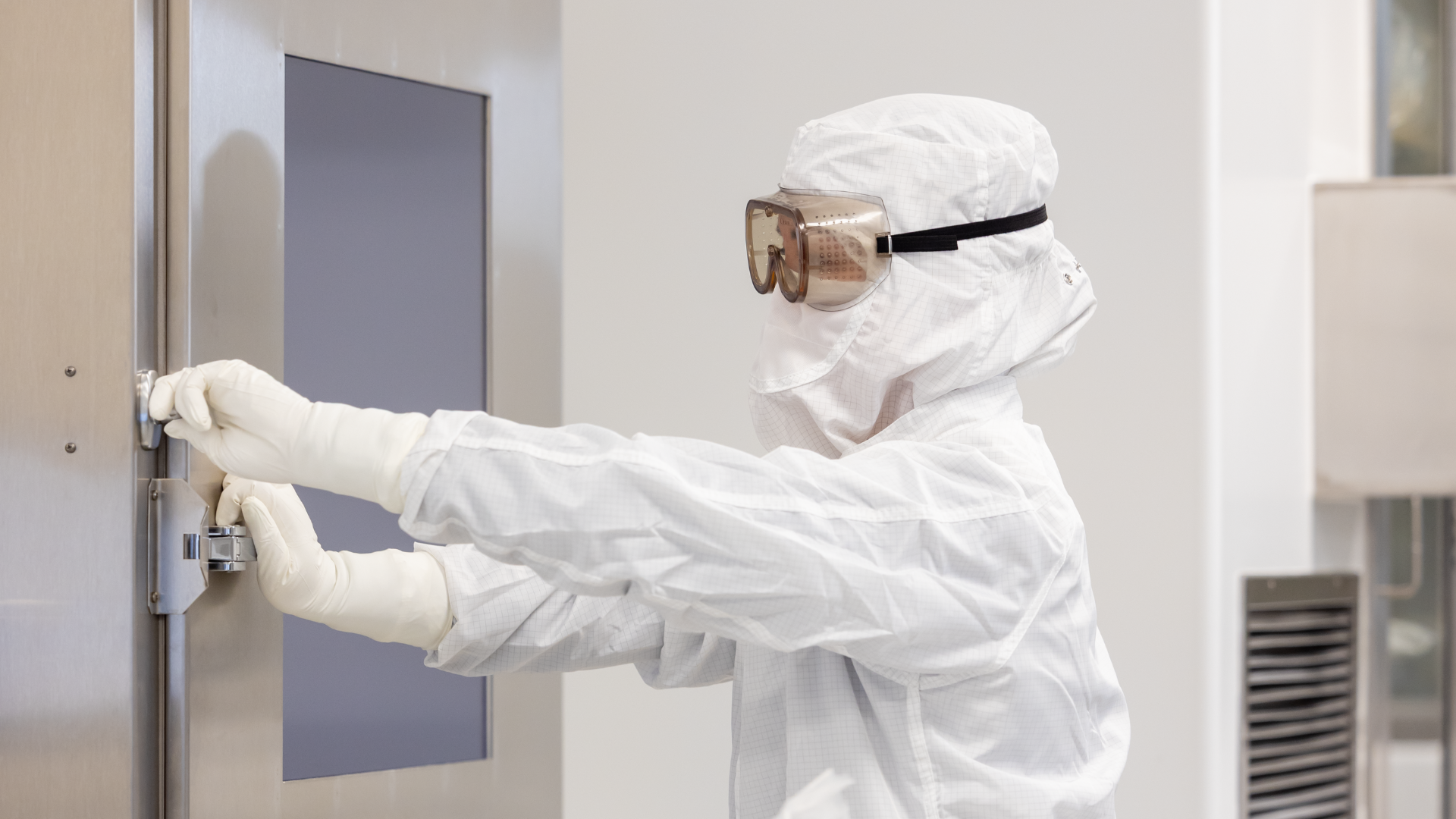
In cleanroom operations, behaviorism shows up in gowning qualifications and aseptic operator qualifications—where operators demonstrate proficiency and receive direct feedback, sometimes by way of personnel sampling.
But not every role goes through something like an APS. So how can you leverage behaviorism across the broader contamination control program?
Make the invisible visible
 A major training challenge is that contamination is often invisible. Behaviorism becomes powerful when you create hands-on demonstrations that let operators see why technique matters—paired with immediate feedback when execution misses the intended outcome.
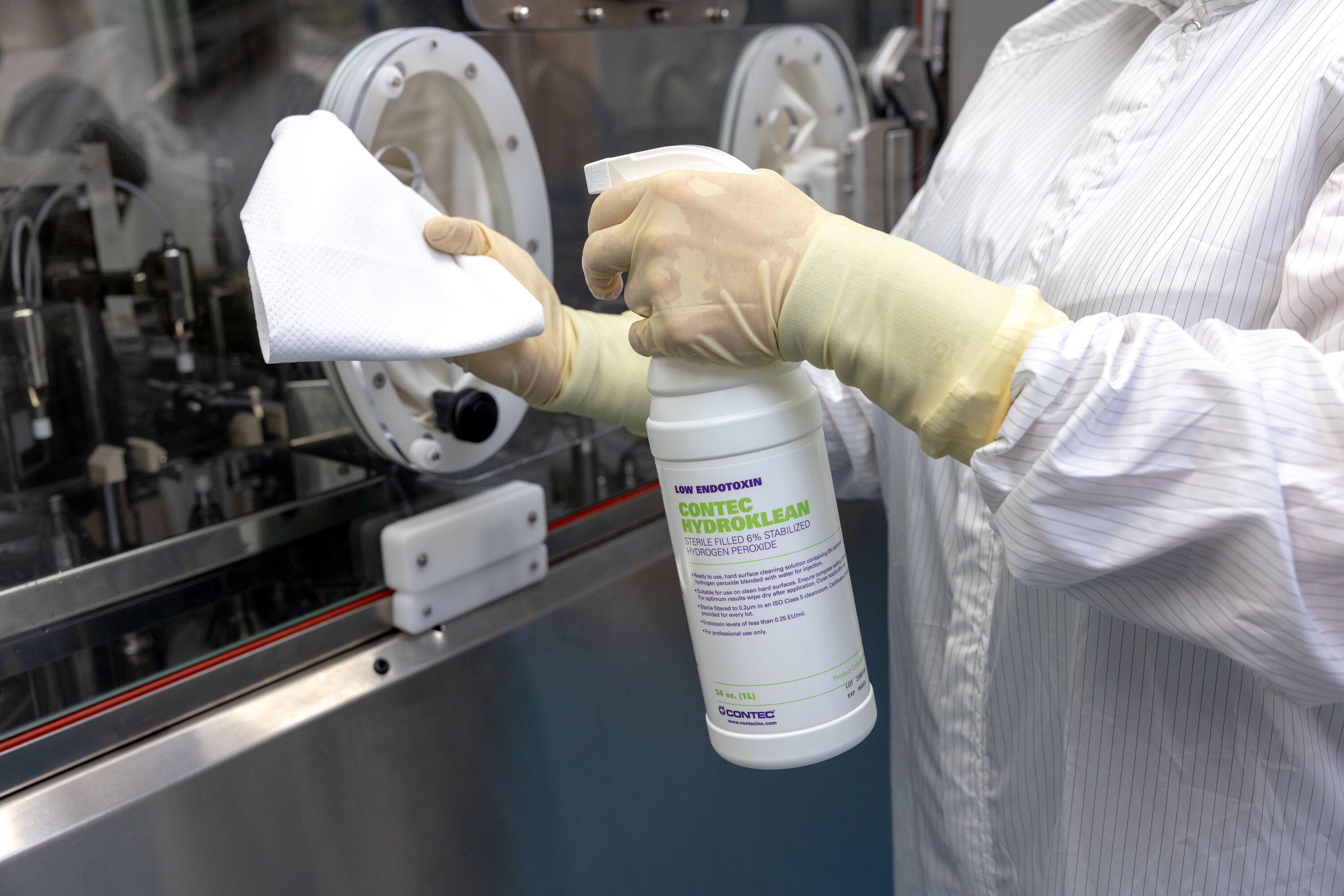
In the training cleanroom example, a materials transfer and disinfection process may have looked “SOP approved” until the lights went off and fluorescence revealed missed areas. With coaching and repeated attempts (overlapping strokes, full coverage, getting into crevices, and remembering contact time), execution improved.
The task didn’t change—awareness did, and the behavior followed.
Cognitivism: organize knowledge so operators can recall it under pressure
Cognitivism focuses on how learners acquire, store, and recall knowledge. People organize knowledge into schemas—units based on relevance and experience.
A helpful way to think about it is “packing for a move”: you don’t toss random items into a box. You group similar items so you can find what you need later.
Help operators “pack their boxes”
To leverage cognitivism in cleanroom training:
- Group similar concepts together in the training curriculum
- “Label the boxes” using visuals or mnemonics to support recall
- Reinforce key technique anchors that connect across tasks
One example is using “disinfection time” to help operators remember key disinfection techniques: working top to bottom, in one direction, overlapping strokes, and ensuring contact time.
Connect new information to real-life experience
Another way to use cognitivism is to connect new information with previous knowledge.
For example:
- Start operators with “micro-101,” then call back to it during gowning training to connect microbial contamination to poor gowning and hygiene
- Help operators see why actions outside the cleanroom matter—why handwashing is critical, and what transfers when someone adjusts safety glasses or scratches an itch after gowning
Relatable demonstrations also stick. The “dirty dish” example makes the point: applying a sporicide to a dirty surface and saying “it’s fine—it’ll be sterile dirt now” doesn’t make sense. Neither does throwing detergent at built-up residue without removing it and leaving detergent residue behind.
What strong programs do differently: microlearning and coaching
Effective training starts with why you’re training. If training is only a compliance checkbox, “read and understand” gets you speed. But it doesn’t produce consistent execution.
Sites with strong programs tend to:
- Build a true curriculum over time (fundamentals → advanced → expert topics)
- Avoid overwhelming new hires with an “SOP dump”
- Use multiple modalities appropriately (visual aids, written guidance, short videos at point of use)
- Integrate training into routine operations through coaching
Coaching programs help prevent “learning drift”—the slow change in technique that happens when people run on autopilot. Coaching isn’t punitive; it’s a reset on best practices, even for skilled and seasoned operators.
Keeping annual training engaging
If you’re repeating the same information year after year, don’t just recycle the same deck.
- Use deviation trends to spotlight what needs attention now
- Do focused micro trainings throughout the year instead of an annual information dump
- Include “what not to do” scenarios (since SOPs don’t list every “don’t”)
- Empower operators to speak up about risks—and thank them when they do
The takeaway
Behaviorism improves technique through repetition and immediate feedback. Cognitivism improves recall by organizing knowledge and connecting concepts to real life. Together, they help training become something operators can apply consistently—supporting awareness, reducing drift, strengthening engagement, and contributing to retention.
For more information about training techniques, watch our webinar: https://cleanroom.contecinc.com/train-to-retain-decreasing-cleanroom-turnover