Table of Contents
 Contec Cleanroom
 Biotechnology Manufacturing, Medical Device Manufacturing, Pharmaceutical Manufacturing, Disinfectants, Article
Alcohols for Use as an Antimicrobial Agent
What Are Alcohols Used in Cleanrooms?
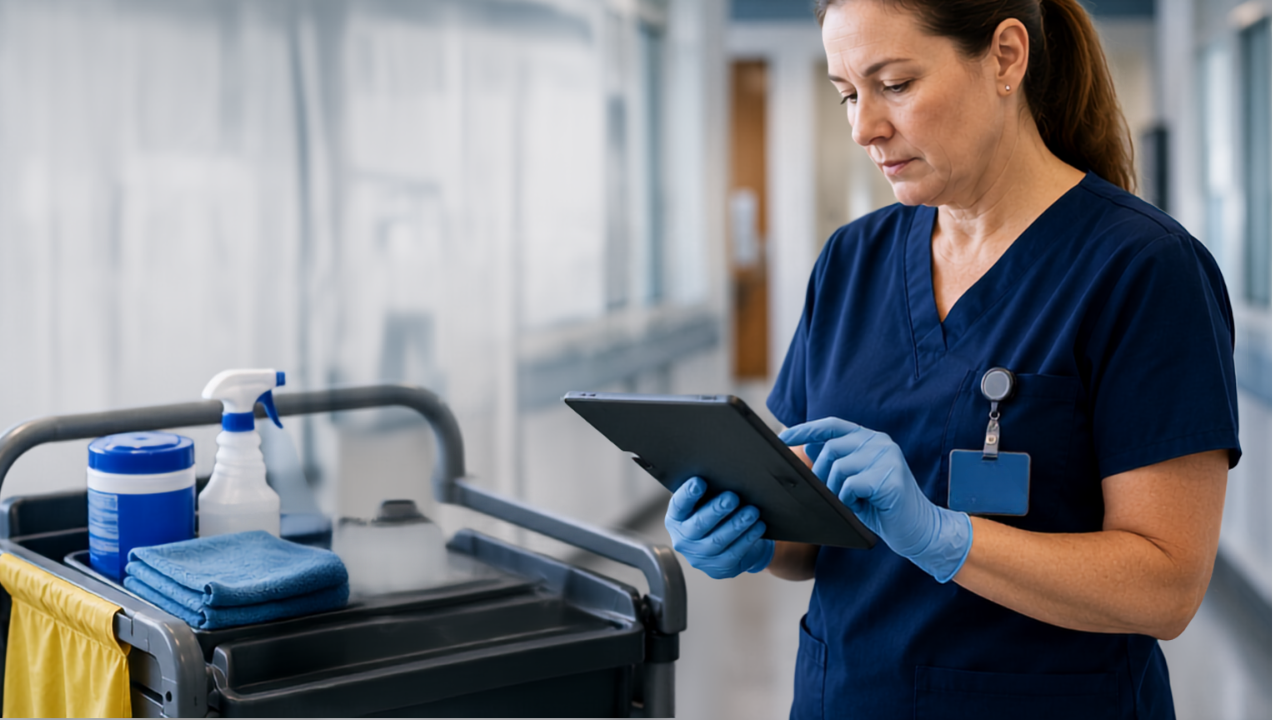
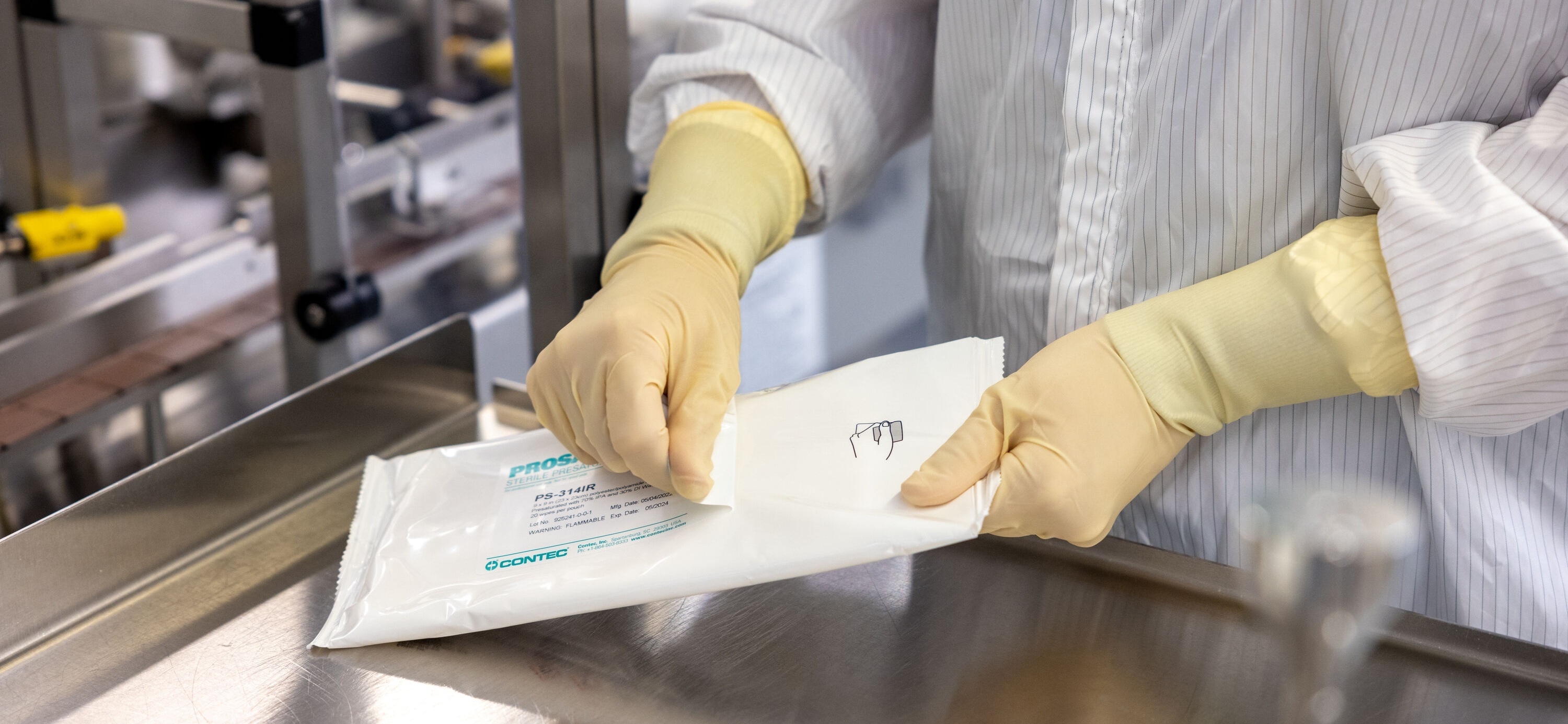
In cleanroom and controlled environments, “alcohol” refers primarily to two water-soluble compounds — ethyl alcohol (ethanol) and isopropyl alcohol (IPA) — that serve as antimicrobial agents. These alcohols are widely used to sanitize surfaces and help prevent cross-contamination by microorganisms, especially in pharmaceutical and healthcare manufacturing settings.
What Desirable Properties Do Alcohols Have as Antimicrobial Agents?
Alcohols possess several features that make them effective disinfectants and antiseptics:
-
Excellent bactericidal and bacteriostatic activity
-
Some virucidal and fungicidal efficacy
-
Rapid evaporation under use conditions
-
Low risk of encouraging microbial resistance
-
Relatively inexpensive and easily obtainable
-
Often colorless and non-toxic when applied topically
-
Can physically clean surfaces due to lipid solvency and low surface tension
However, alcohols lack surfactants and other components found in one-step cleaner disinfectants, meaning organic soil must be removed before alcohol use for maximum effectiveness.
How Do Alcohols Kill or Inactivate Microorganisms?
The primary mode of action for alcohols involves coagulation and denaturation of proteins and lipids, which disrupts cell and viral membranes and leads to microbial death. Water is required to facilitate protein coagulation, so solutions of 60%–90% alcohol (v/v) in water are more effective than higher concentrations alone. Key mechanisms include:
-
Coagulation/denaturation of proteins and lipids
-
Water-dependent cell membrane permeability
-
Intracellular coagulation of cytoplasmic components
-
Disruption of cell membrane and subsequent cell lysis
Which Microorganisms Are Alcohols Effective Against?
Alcohols at concentrations of 70%–95% are effective against a wide variety of bacteria and many viruses. They are known to inactivate:
-
Lipophilic (enveloped) viruses such as herpes, vaccinia, and influenza
-
Many hydrophilic viruses such as adenovirus and rhinovirus (though not all)
-
Isopropyl alcohol is fully active against lipid viruses, but not non-lipid enteroviruses
-
Alcohols have minimal activity against bacterial spores, so they are not recommended for sporicidal applications
What Regulatory Considerations Apply to Alcohol Use?
Alcohol regulation depends on application: In the United States, alcohol used as a skin antiseptic falls under the FDA as an over-the-counter drug, while alcohol-based antimicrobials for inanimate surfaces are regulated by the EPA. Often, labels do not include efficacy claims, so end-users must test to determine appropriate contact times — historically 10 minutes, but this may be impractical in high-air-change cleanrooms due to rapid evaporation.
In the European Union, the Biocidal Products Regulation (BPR) requires authorization by the European Chemicals Agency (ECHA) for biocidal products (including alcohols), ensuring both human and environmental protection. Information from BPR authorization can assist with determining appropriate contact times in controlled environments.
Conclusion
Alcohols such as ethyl alcohol and isopropyl alcohol are proven antimicrobial agents widely used in cleanroom and pharmaceutical settings for surface sanitization, glove sanitization, and general contamination reduction. Their efficacy against a broad range of microbes and regulatory considerations makes them valuable, though limitations such as volatility, flammability, and ineffectiveness against spores should guide their appropriate use.
Key Takeaways
-
Alcohols (ethyl and isopropyl) are widely used antimicrobial agents in cleanrooms and pharmaceutical settings.
-
They exhibit bactericidal, virucidal, and fungicidal efficacy at optimal concentrations.
-
The primary mode of action is protein and lipid coagulation and membrane disruption.
-
Alcohols are ineffective against spores and must be used with clean surfaces.
-
Regulatory requirements vary by application and region, with EPA, FDA, and BPR considerations.
 return to overview
 back to top