Table of Contents

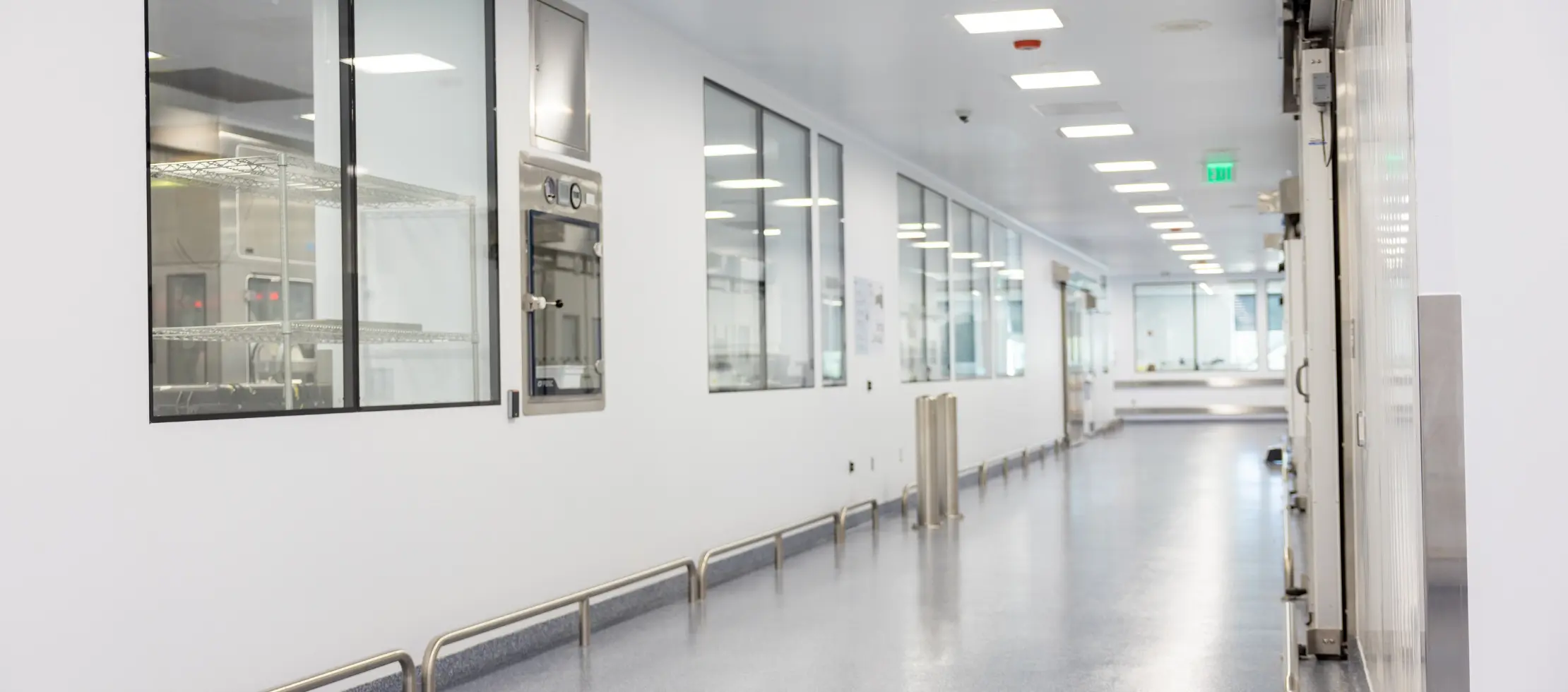
A planned cleanroom shutdown provides an opportunity to address maintenance needs, evaluate facility conditions, and make improvements that support ongoing contamination control. However, making the most of that downtime requires preparation well before operations stop.
A thorough pre-shutdown assessment helps facilities identify potential issues, establish priorities, and develop a clear plan before the shutdown begins.
Without this preparation, valuable shutdown time may be spent identifying problems rather than resolving them.
When Should You Conduct a Pre-Shutdown Assessment?
The timing of a pre-assessment depends on the scope of the planned shutdown.
Routine maintenance and cleaning may require less preparation than major projects involving flooring replacement, equipment installation, or facility modifications.
Larger projects often require coordination with contractors, suppliers, and multiple internal departments. Conducting an assessment well in advance allows teams to identify necessary work, estimate timelines, and ensure resources are available when the shutdown begins.
The objective is to enter the shutdown with a clearly defined scope of work rather than spending the first several days determining what needs attention.
Who Should Be Involved in a Cleanroom Pre-Shutdown Assessment?
A successful shutdown requires collaboration across departments responsible for maintaining the cleanroom's operation and compliance.
Key stakeholders may include operations, facilities and maintenance, quality assurance (QA), production, and outside contractors.
Involving these groups early helps establish responsibilities, identify potential scheduling conflicts, and determine the sequence of planned activities.
For example, flooring repairs or equipment modifications may need to be completed before final cleaning and disinfection can begin.
Establishing clear ownership and accountability before the shutdown helps prevent delays that could affect the overall schedule.
What Should You Look for During the Walkthrough?
Environmental monitoring (EM) data is an important starting point. Reviewing airborne particle counts, viable monitoring results, and previous excursions can help identify areas requiring additional attention.
However, environmental monitoring data doesn't tell the entire story.
Some issues develop gradually and may not be reflected in routine monitoring results.
During the walkthrough, teams should carefully inspect the cleanroom from ceiling to floor, looking for:
- Accumulated residues or visible soiling on floors
- Chipped paint or damaged finishes on walls and door frames
- Rust or deterioration on equipment and racks
- Visible damage or known concerns involving ceilings and HEPA filter areas
- Other surfaces showing signs of wear or degradation
These conditions can become easy to overlook, particularly for personnel who work in the same environment every day.
The Value of a Fresh Perspective
One effective approach is to involve someone who understands cleanroom requirements but doesn't routinely work in the space.
An experienced contractor, technical specialist, or colleague from another department may recognize gradual changes that regular occupants no longer notice.
This fresh perspective can help identify overlooked maintenance concerns and provide a more objective evaluation of the facility.
Turn Observations Into Action
Once the assessment is complete, the findings should be reviewed alongside environmental monitoring trends and cleaning records.
This information helps teams determine which issues require attention, what resources will be needed, and how activities should be prioritized.
The assessment should also establish who is responsible for each task and when it must be completed.
By identifying concerns early, facilities can develop a realistic shutdown schedule and make more effective use of planned downtime.
Preparation Makes the Difference
A successful cleanroom shutdown begins long before operations stop.
Conducting a thorough pre-assessment helps facilities identify overlooked conditions, coordinate stakeholders, and establish a clear plan of action.
Taking a proactive approach allows teams to spend less time identifying problems during the shutdown and more time addressing them.
Key Takeaways
- Plan according to scope. Major repairs and facility modifications require more advance coordination than routine maintenance and cleaning.
- Involve key stakeholders early. Align operations, facilities, QA, production, and contractors on responsibilities and scheduling.
- Combine data with visual inspection. Review environmental monitoring trends and cleaning records alongside a ceiling-to-floor walkthrough.
- Bring in fresh eyes. A knowledgeable person who works outside the space may recognize conditions regular occupants overlook.
- Turn findings into assigned actions. Define priorities, resources, task owners, and deadlines before the shutdown begins.

 return to overview
 back to top